XTracker
XTracker-Excercise Tracker
Overview
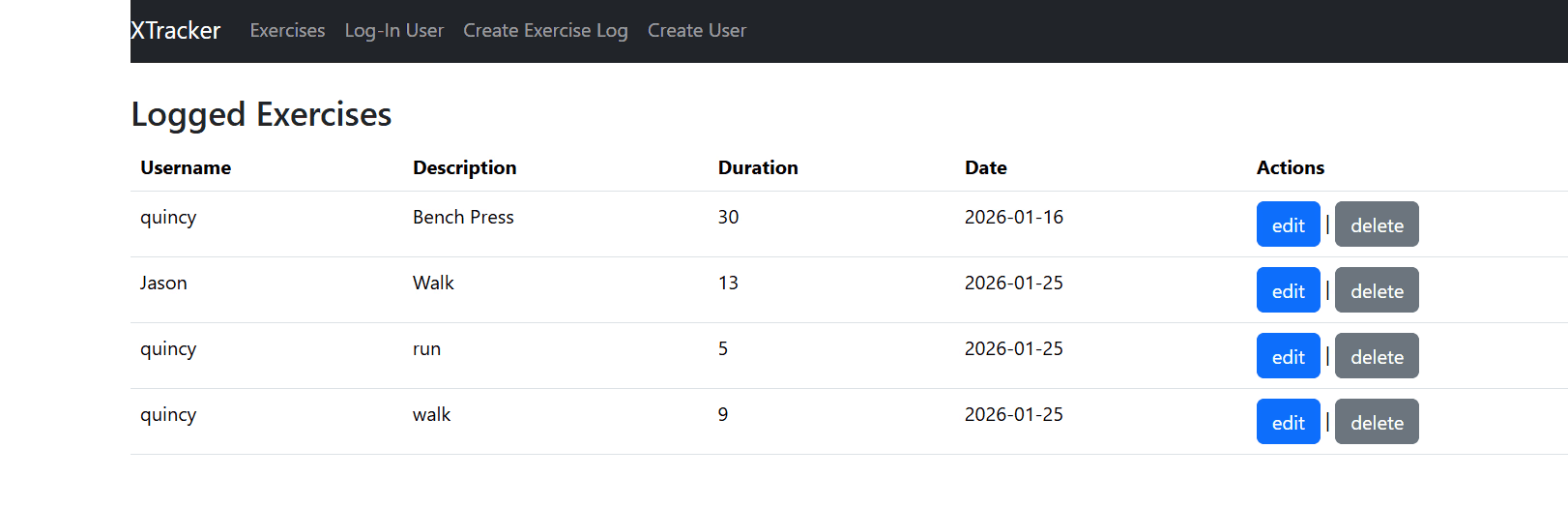
XTracker is a personal full-stack web application that allows users to log, track, and manage their exercise activities. The platform enables users to record workouts, view their logged exercises, and manage entries in a secure environment tied to their individual accounts.
My Role
Full-Stack Developer (Personal Project)
I built the entire application, handling frontend development, backend architecture, authentication, and database integration.
Key Features
User Authentication
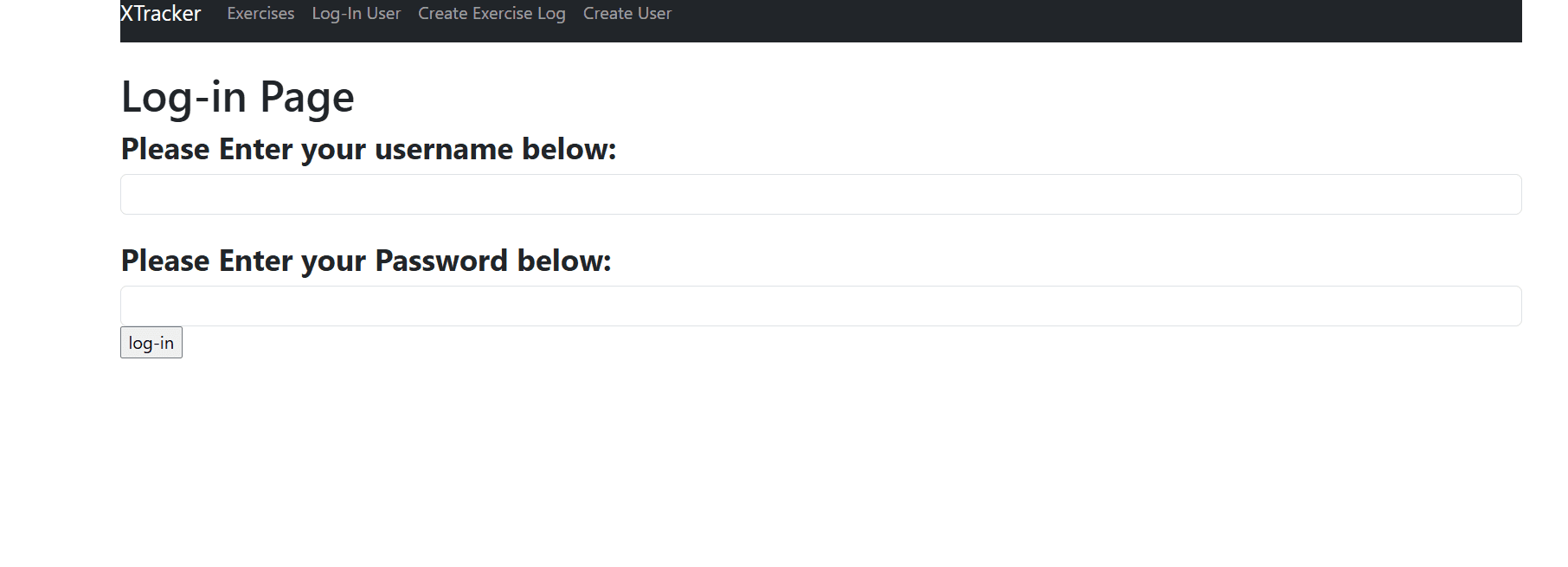
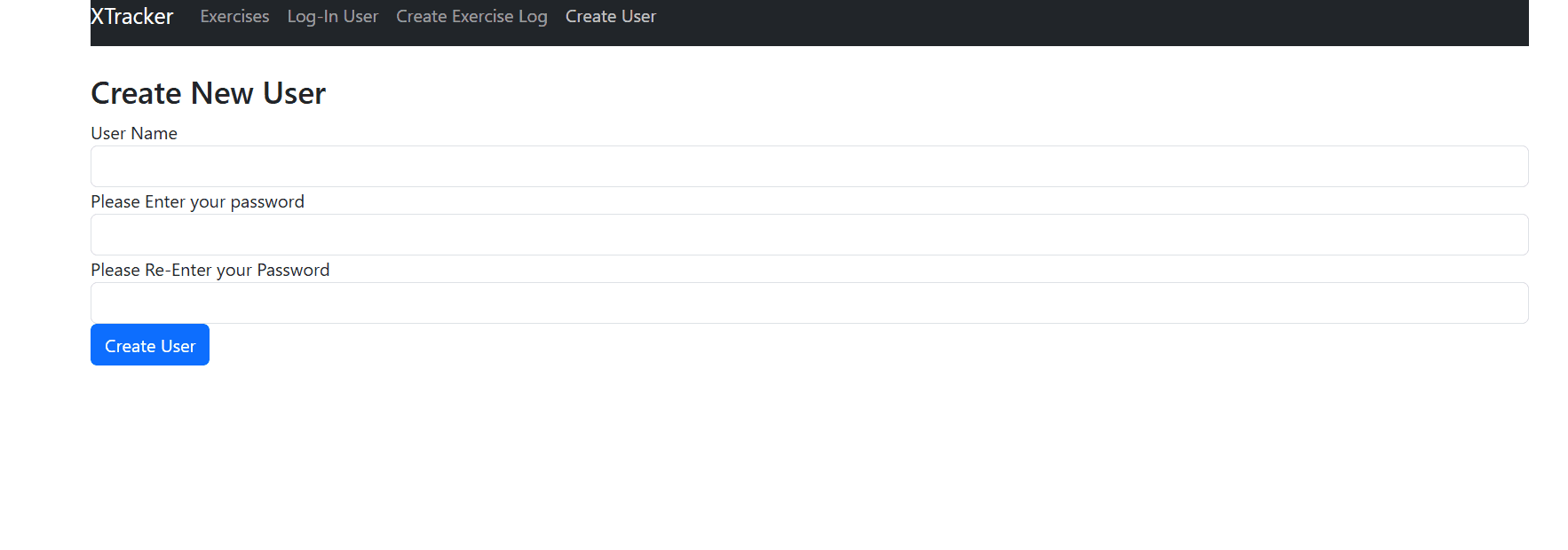
Implemented user registration and login functionality
Ensured each user can only access their own exercise data
Applied validation to protect user-specific records
Exercise Logging System
Users can add, view, and delete exercises
Each exercise entry is linked to the authenticated user
Implemented validation so only the owner of the entry can delete their exercises
Frontend Development
Built a responsive interface using HTML, CSS, JavaScript, and Bootstrap
Implemented a simple and functional UI, as the project was primarily focused on learning backend integration and full-stack architecture
Backend Development
Developed server-side logic and API routes using Node.js and Express
Implemented CRUD functionality for exercise entries
Added validation logic to ensure secure user-specific data handling
Database
Designed and structured the database using MongoDB to store user accounts and exercise logs
Tech Stack
Frontend: HTML, CSS, JavaScript, Bootstrap
Backend: Node.js, Express
Database: MongoDB
Purpose
This project was built as a learning-focused full-stack application to practice backend development, authentication systems, database integration, and secure user validation.
Challenges
1. Implementing Secure User Authentication
One of the key challenges was ensuring that exercise data was tied to individual users and could not be accessed or modified by others. Managing authentication and protecting user-specific data required careful backend validation.
2. Handling User-Specific Data Access
Since each user logs their own exercises, it was important to ensure that users could only view, add, or delete exercises associated with their account. Preventing unauthorized access to other users’ data required proper validation logic.
3. Structuring the Backend and Database
Designing the backend architecture and organizing the database schema for user accounts and exercise logs required planning to ensure efficient data storage and retrieval using MongoDB.
4. Integrating Frontend with Backend Routes
Connecting the frontend interface to backend API routes involved handling asynchronous requests and ensuring that user actions such as adding or deleting exercises correctly updated the database.
Result
Through building XTracker, I successfully developed a working full-stack web application with secure user authentication and user-specific data validation. The project allowed me to gain practical experience in connecting a frontend interface with backend API routes and managing persistent data using MongoDB.
Key outcomes include:
Implemented a user authentication system to protect user accounts
Built CRUD functionality for exercise logging
Ensured user-level data validation, allowing users to manage only their own exercise entries
Integrated frontend components with backend services using Node.js and Express
Developed a functional application with a simple UI using Bootstrap
This project strengthened my understanding of full-stack application development, authentication systems, and database-driven applications.