PLATFORM:
Unity
LANGUAGE:
C#
YEAR:
2025
EXPERIENCE:
3D VR
Project Trafalgar
About
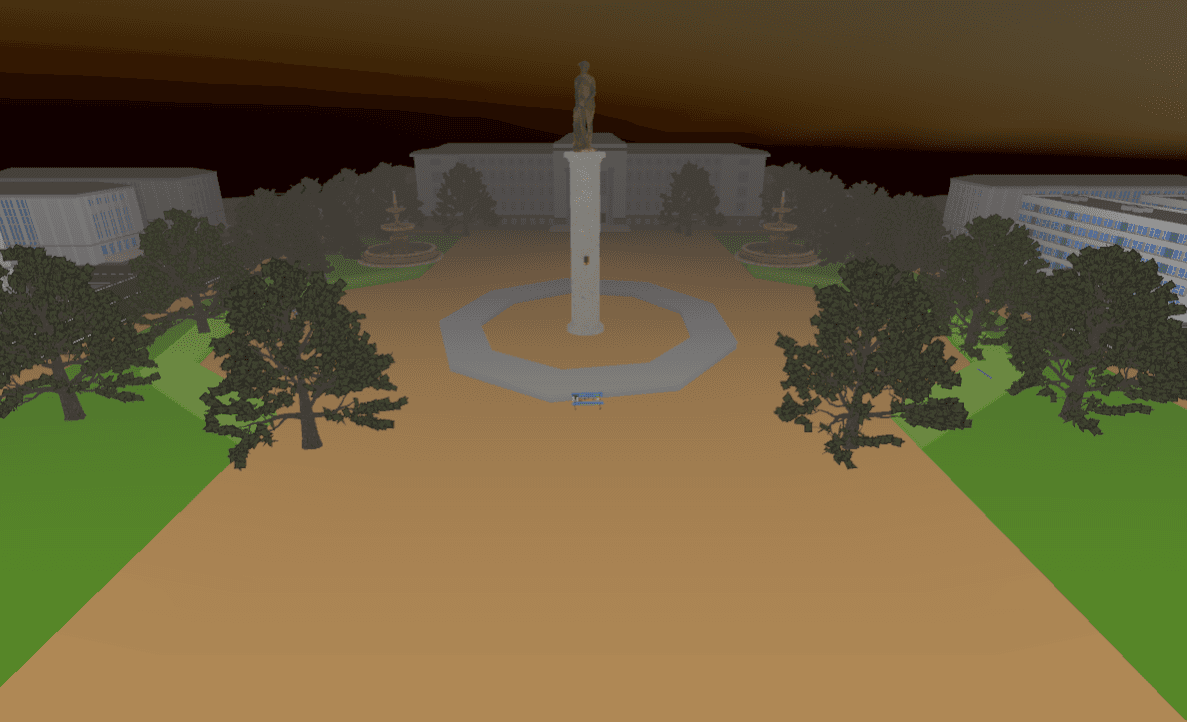
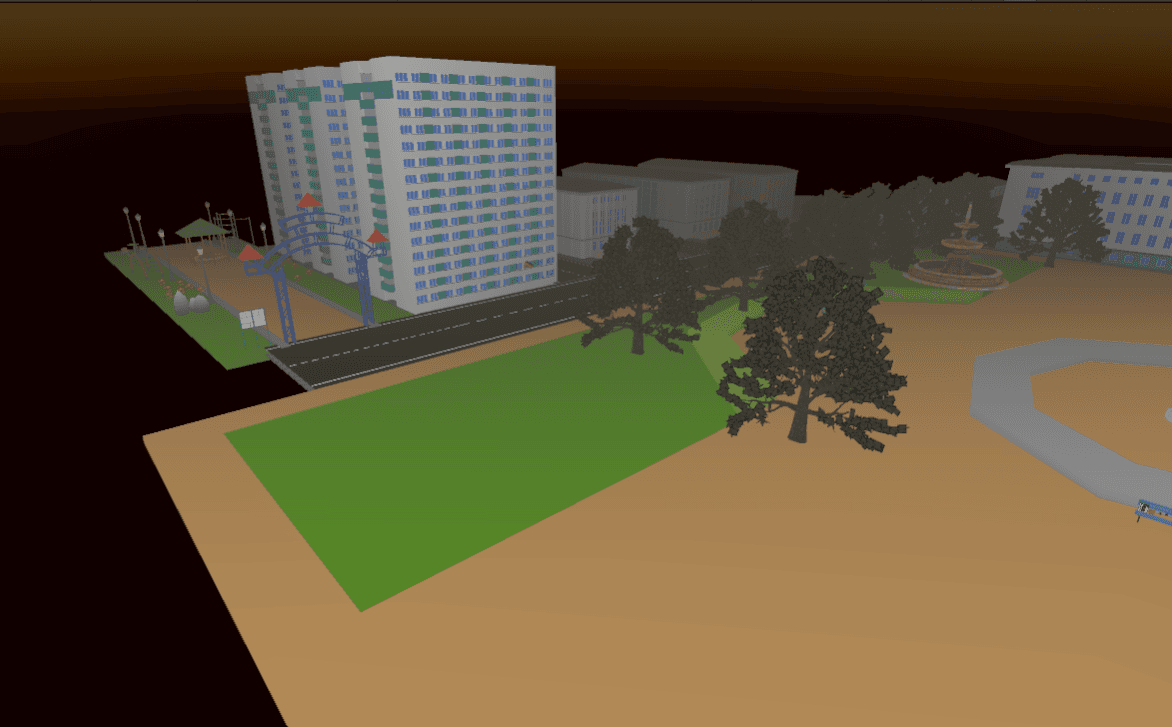
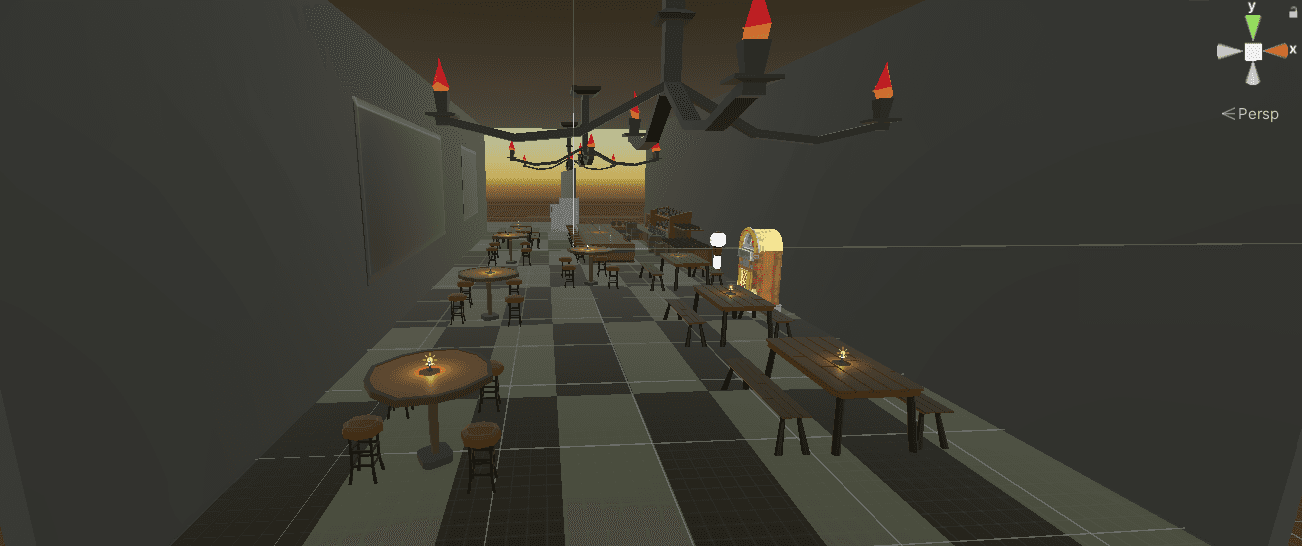
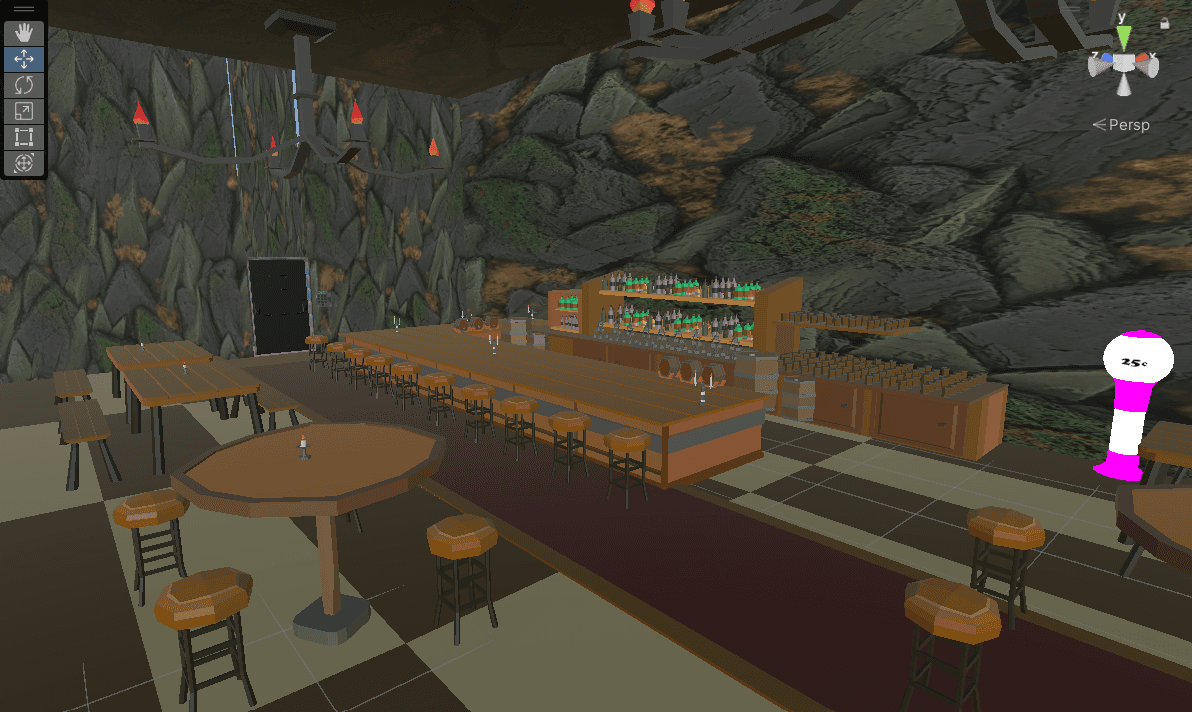
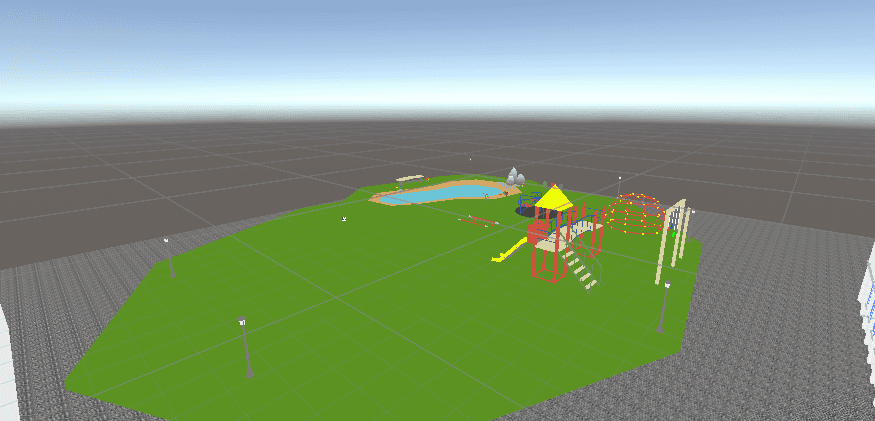
Project Trafalgar is an immersive virtual reality experience designed to encourage users to reconnect with the real world by challenging them to escape a simulated one. Set within a carefully crafted, small-scale recreation of Trafalgar Square, the experience unfolds as an interactive puzzle that rewards curiosity, exploration, and problem-solving.
Users navigate through iconic buildings, progress into a detailed bar environment, and ultimately reach a server room where the core mystery is revealed—allowing them to break free from the virtual world in which they are trapped. The project blends narrative-driven design with environmental storytelling to create a meaningful and engaging VR journey.
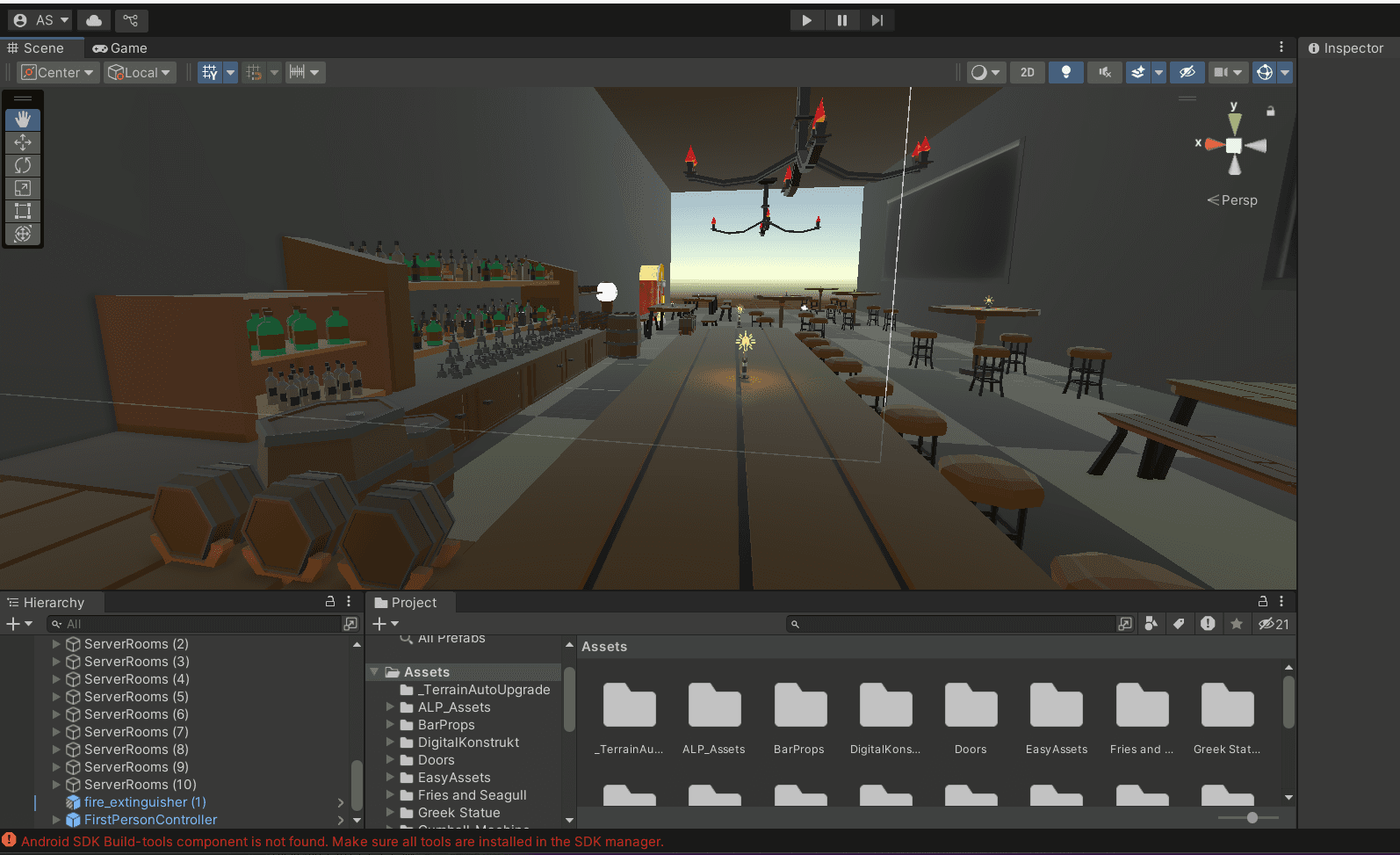
As the Environment Developer, I was responsible for shaping the visual identity, atmosphere, and spatial design of the entire experience. This included crafting the overall look and feel, ensuring environmental coherence, and developing interactive objects that enhanced immersion and guided user interaction naturally within the world. My work focused on creating a believable, intuitive, and visually compelling environment that supports both gameplay and narrative flow.
Challenges
Due to the high level of detail in both the bar interior and the outer environment, performance optimization was a key focus throughout development. To minimize frame drops and ensure a smooth VR experience, the environments were primarily constructed using low-poly assets with reduced triangle counts, allowing for visual richness without excessive geometry overhead.
Despite this, the overall scene complexity still resulted in draw calls exceeding acceptable limits. To address this, static batching was implemented to combine non-moving objects, ensuring they were rendered efficiently and not repeatedly re-drawn during gameplay. This significantly reduced draw call overhead in Unity’s play mode.
Additionally, occlusion culling was applied to prevent the engine from rendering objects and areas outside the player’s current view, further improving performance—especially in enclosed spaces such as the bar and server room. GPU instancing was also enabled for repeated assets, allowing identical objects to be rendered in a single draw call where applicable.
Together, these optimization techniques ensured stable performance while maintaining a highly detailed and immersive VR environment.
Result
The final result was a highly interactive VR experience designed to educate users on the importance of reconnecting with the real world. Through exploration and puzzle-based gameplay, the project encourages players to reflect on the balance between digital immersion and real-world engagement—highlighting the value of stepping outside, taking time to relax, and experiencing life beyond screens.
At its core, the experience was conceived as an educational VR game, using immersion and interactivity as tools to deliver a meaningful message rather than passive instruction. By combining narrative, environment design, and user interaction, the project aims to leave players with a lasting takeaway about mindfulness, balance, and real-world connection.